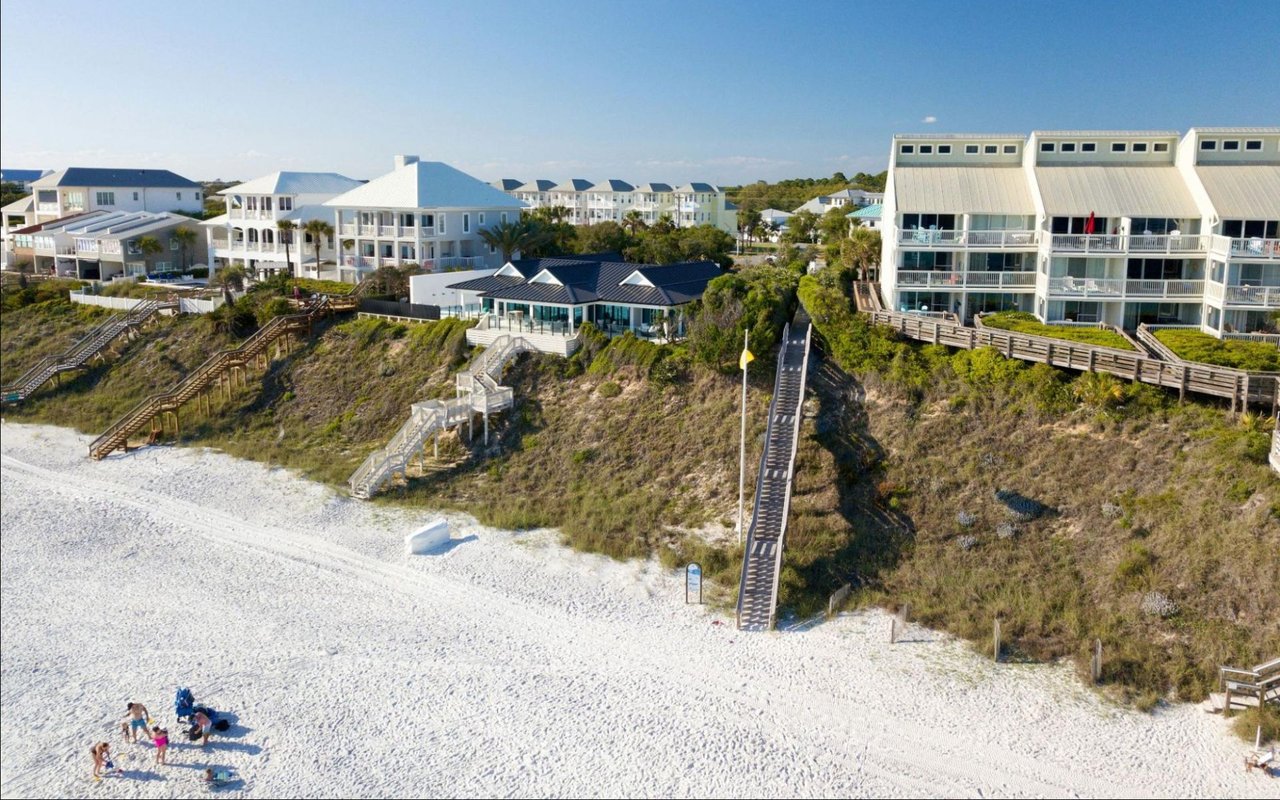
If you're thinking about buying your first commercial property along 30A, you're in the right place — and it's smart to start with a clear plan. We understand it can feel overwhelming at first, especially with 30A’s mix of boutique retail spaces, vacation-driven demand, and unique zoning rules. That’s why we’re here to walk you through it step by step, using our experience in areas like Rosemary Beach, Seaside, and Blue Mountain Beach. Whether you're aiming for income, appreciation, or long-term growth, we’ll help make sure your first investment is a smart one.
Key Takeaways
- Learn how 30A’s commercial market works and what types of properties make sense.
- Set clear goals and a realistic budget before looking at listings.
- Build a reliable local team to guide your first investment.
- Know how to analyze potential cash flow and seasonal income cycles.
Know the 30A Market Before You Invest
Buying along 30A means stepping into a one-of-a-kind coastal economy shaped by tourism, boutique commerce, and limited inventory.
Why You Need to Understand Local Commercial Trends
- Seasonality affects revenue. Tourist peaks in spring and summer drive foot traffic and rental demand, but slower months can impact cash flow.
- Zoning laws are tight. Communities like Seaside and Alys Beach have firm restrictions on signage, usage, and construction — you need to know what’s allowed.
- Premium pricing is common. Limited land and high visibility near Gulf Place or WaterColor often lead to higher per-square-foot costs.
- Walkability matters. Retail spaces closer to beach access or near dining hubs like The Hub in Watersound attract more consistent traffic.
Getting clear on these market forces early will help you choose the right area and avoid costly surprises.
Set Your Investment Goals and Financial Limits
Before you even step inside a property, define what success looks like for your first investment.
Key Decisions to Make Up Front
- Income or appreciation? Do you want steady rental income, long-term value growth, or a blend of both?
- Short- or long-term? Are you holding for five years, or looking to flip after upgrades?
- Your total budget. Include down payment, closing costs, insurance, potential renovations, and reserves.
- Risk tolerance. Can you absorb seasonal dips or extended vacancies?
The clearer your goals, the easier it will be to target the right property type and financing structure.
Choose the Right Type of Commercial Property
Along 30A, not all commercial properties behave the same. Pick something that fits both your goals and your ability to manage it.
Options That Fit First-Time Buyers on 30A
- Retail units near high-traffic beach towns. Places near Seagrove or Rosemary Beach offer seasonal upside — but also seasonal risk.
- Mixed-use buildings. These often include retail on the ground level with office or residential units above — great for diversifying your income.
- Small office condos. Easier to manage, especially in towns like Santa Rosa Beach, where demand stays steadier year-round.
- Vacation-rental-friendly buildings. If allowed, short-term units near Grayton Beach or Blue Mountain Beach can yield higher seasonal returns.
Each type has trade-offs, so weigh your management ability, income goals, and financing needs.
Build a Team That Knows the Area
Local knowledge isn’t optional when buying commercial property along 30A — it’s essential.
Who You Need in Your Corner
- Local commercial real estate broker. They’ll guide you on pricing, locations, and zoning quirks in towns like Inlet Beach or Dune Allen.
- Real estate attorney. Helps review contracts, navigate zoning, and handle easements or encumbrances.
- Commercial lender. Choose one who understands coastal underwriting and 30A’s market volatility.
- Licensed inspector. You’ll want someone who checks for hurricane code compliance, salt-air damage, and HVAC wear.
- Optional: property manager. Useful if you're not local or plan to rent seasonally.
A trusted team saves time, avoids headaches, and protects your investment.
Do Your Due Diligence and Analyze Cash Flow
You can’t afford to guess — verify everything about a property’s income, costs, and restrictions before closing.
What to Investigate Before Making an Offer
- Zoning and allowed uses. Don’t assume you can operate a vacation rental or retail space without checking county rules.
- Structural and environmental condition. Check for water intrusion, roofing, and compliance with Walton County building codes.
- Operating history (if applicable). Request financials or occupancy reports for the last 1–2 years.
- Projected expenses. Include utilities, property taxes, insurance (often higher near the Gulf), and repairs.
- Break-even analysis. Look at seasonal rent projections vs. all operating costs — especially for areas with off-peak months.
Good due diligence helps you make smarter offers and avoid buying a money pit.
Understand Financing Options and Deal Structure
Financing commercial properties is different from buying a house — especially near the water.
Financing Factors to Prepare For
- Down payments of 20–30% are standard. Coastal locations are often viewed as higher risk, which affects loan-to-value ratios.
- Loan terms vary. Many commercial loans have 5–10 year terms with balloon payments — know your exit strategy.
- Seasonal cash flow means you need reserves. Lenders may require proof you can cover costs during slower months.
- Partnerships can help. Some first-time buyers invest through LLCs or groups to spread out the risk.
Talk to lenders early, so you know what you're qualified for and what documentation they'll require.
Make a Strong but Safe Offer
Once you find a property, structure your offer carefully — especially in a competitive area like 30A.
Offer Terms That Protect First-Time Buyers
- Use recent comps. Ask your agent for sales and lease comps from nearby towns like Seacrest or Gulf Place.
- Include key contingencies. Always include inspection, zoning verification, and financing escape clauses.
- Plan a realistic closing timeline. Factor in 30–60 days for inspections, HOA reviews, and lender approvals.
- Budget post-close improvements. Set aside funds for signage, repairs, or upgrades required by zoning boards or tenant needs.
Protect yourself while still showing sellers you're serious and ready to move quickly.
Stay Conservative, Stay Smart
We always tell first-time buyers: start slow, plan conservatively, and focus on long-term value.
- Along 30A, tourist season can create high highs and slow lows — don’t overestimate income.
- A conservative investment gives you room to grow — and protects your finances in the off-season.
- Long-term cash flow and stable tenants often beat flashy short-term returns.
This approach might not be the most exciting — but it’s what lasts.
FAQs
What’s the typical down payment needed for commercial property along 30A?
Expect to put down at least 20–30% of the purchase price. Coastal markets like 30A often require more cash up front due to higher perceived risk.
Are mixed-use buildings a good choice for beginners?
Yes — they can offer diversified income and may be easier to lease year-round, especially in central areas like Seaside or WaterColor.
How do I know if a property allows vacation rentals or retail use?
You’ll need to review local zoning rules, HOA documents (if applicable), and county regulations. A local attorney or broker can help verify permitted uses.
Contact Us Today
If you're ready to take the next step toward owning commercial property on 30A, we’d love to help. At Dahler & CO., we guide first-time investors through every stage — from goal setting and property tours to negotiation and closing.
Reach out to us at Dahler & CO., and we’ll help you find the right space, evaluate income potential, and build a smart entry into the 30A commercial market. Whether you’re eyeing retail in Rosemary Beach or office space in Santa Rosa Beach, we’re here to make sure your first deal is a strong one.
*Header photo courtesy of Dahler & CO.